Food safety and professional sanitation experts in Brampton assist you in maintaining restaurants, food supply centers, baking operations, warehouses, and food service units to code. They disinfect frequently touched areas, food preparation zones, equipment, floors, drains, restrooms, and food handling zones with approved chemicals, correct concentration, and documented exposure durations.
Main Points
- Sanitation professionals in Brampton serve restaurants, grocery departments, commissaries, warehouses, bakeries, schools, mobile vendors, and allergen-sensitive operations.
- Cross-contamination avoidance is ensured by cleaning high-touch surfaces, food-contact equipment, kitchens, floors, drains, restrooms, and storage areas with sectional methods.
- Trained vendors validate proper chemical concentration, appropriateness, and contact time, then log finalization with samples, reviews, and action records.
- Effective hygiene plans account for hazard, output capacity, changeovers, incidents, and requirements when assigning regular, recurring, and periodic activities by area.
- Contractors should possess HACCP, sanitation understanding, safety training training, liability, references, color-coded equipment, and assessment-ready cleaning paperwork.
Brampton Venues That Need Food Safety Cleaning: Which Ones?
Any Brampton facility that manages, stores, prepares, packages, or serves food needs food sanitation. You must follow it if your operation get the full story falls under health department oversight, food regulations, or HACCP requirements. That requirement covers eateries, dining facilities, food distribution centers, supermarket departments, meat markets, fish counters, corner stores, and commercial kitchens.
Compliant food safety cleaning is equally required in storage warehouses, production plants, freezer facilities, bakeries, school nutrition services, reception halls, and meal delivery centers. Mobile and temporary establishments matter too, including catering vehicles, festival sellers, and pop-up stands. Your establishment demands recorded sanitation procedures when your staff handle raw materials, divide prepared foods, warm meals, or maintain allergen storage. In Brampton, sanitation stays elective; it comprises regulatory, business, and safety requirements.
What Do Brampton Cleaning Experts Clean?
Professional cleaning teams specializing in Brampton sanitize touched surfaces, kitchen facilities, ground surfaces, and restrooms to satisfy food safety standards and health requirements. Focus on these locations occurs because they pose maximum contamination danger, potential for accidents, and possible regulatory violations.
If you comprehend their cleaning services, you'll be able to confirm your facility meets all operational and regulatory compliance needs.
Sanitizing High-Touch Surfaces
set how often each zone is disinfected
sampling techniques to validate sanitization effectiveness
Kitchens, Floors, and Restrooms
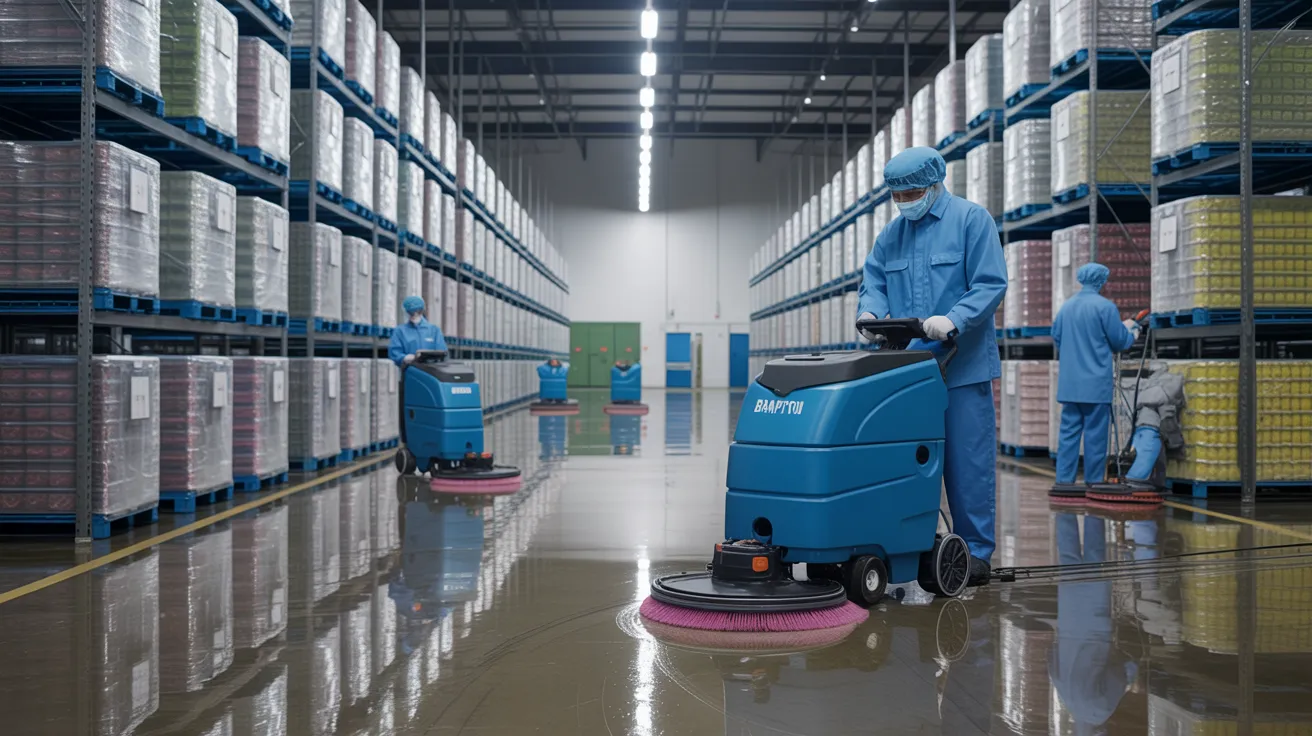
Expect Brampton cleaning experts to focus on kitchens, floors, and restrooms because each area carries distinct foodborne illness prevention, slip-and-fall, and public health risks. In industrial kitchens, you need grease removal from cooking stations, appliance surfaces, drain systems, preparation areas, and backsplashes to reduce bacterial growth and pest activity.
Documented floor maintenance is likewise provided as part of the service.
For restroom sanitation, cleaners sanitize touchpoints, fixtures, partitions, dispensers, and waste containers, then restock supplies and control odours. They also service restaurant moprooms, where chemical storage, sink hygiene, and drainage conditions can affect sanitation compliance and staff safety daily.
The Importance of Food Safety Cleaning in Brampton
Brampton operations require food-safe cleaning standards to meet health code requirements and pass audits. You also minimize cross-contamination by cleaning and sanitizing food-contact surfaces, equipment, and high-touch areas correctly. Most importantly, you help protect community wellness by reducing the chance of food poisoning in your establishment.
Health Code Compliance
Brampton food businesses must comply with strict public health standards, so cleaning procedures is vital to adhering to health codes, defending customers, and sidestepping penalties. You must maintain sanitized food contact points, recorded sanitation plans, proper chemical use, and auditable operational standards that align with municipal and provincial inspection expectations.
Robust sanitation facilitates allergen management by reducing buildup on common tools plus commonly contacted zones. If your cleaning standards deteriorate, you expose yourself to citations, corrective directives, brand harm, and potential service suspension during follow-up inspections or enforcement actions.
Contamination Management
Adhering to regulatory guidelines requires your expertise in stopping cross-contamination throughout routine preparation and sanitation work. You need to separate raw ingredients from ready-to-eat foods, clean prep surfaces between tasks, and store cleaning supplies separately from food. Structured procedures reduce transfer risks and ensure consistent compliance during inspections.
Building allergen segregation prevents key allergens from reaching shared surfaces, containers, or equipment. Utilize dedicated cutting boards, color-coded tools, and precise instrument labeling so staff don't mix items in cooking or serving.Mandate hand cleaning following raw meat, seafood, eggs, or allergen-containing products. Refresh cleaning cloths frequently, and confirm sanitizer strength with test strips. When your team follows these practices each shift, you foster a cleaner, more secure operation that meets Brampton's food safety expectations consistently.
Public Health Protection
When food safety cleaning deteriorate, you don't only risk a failed inspection—you expand the chance of food contamination striking customers, staff, and the larger Brampton community. You also weaken your role in protecting public health, especially in busy food facilities where contamination can spread quickly through surfaces, equipment, and touchpoints.
You depend on cleaning procedures that eliminate contaminants, effectively sanitize, and verify results. This involves maintaining exposure times, utilizing authorized sanitizers, maintaining records, and coaching staff to fulfill compliance standards. These actions support pathogen control by suppressing pathogens before affecting food surfaces or hands. In Brampton, effective cleaning shields vulnerable populations, minimizes disease spread, and demonstrates accountability. When you adhere to proper protocols, you go beyond regulations—you substantially reduce risk and promote secure food service throughout the city.
How Can Cleaning Practices Ensure Food Safety Compliance?
Strict sanitation practices strengthen food safety compliance by reducing contamination risks, limiting pathogen development, and ensuring your facility complies with sanitation requirements under HACCP-based programs and public health regulations. You validate that food-handling surfaces remain visibly clean and microbiologically controlled, enabling documented preventive controls and inspection readiness.
Effective cleaning also reinforces allergen management by clearing residues that can lead to undeclared allergen exposure. by eliminating residues that can cause undeclared allergen exposure.
Determining When to Schedule Commercial Cleaning
Establish cleaning schedules based on risk levels, production rates, and compliance requirements instead of relying solely on a predetermined calendar. You should plan regular cleaning on a daily basis
Managing occasional tasks separately ensures more effective planning.
What Should You Look For in Brampton Cleaning Experts?
Evaluate providers first by food-safe sanitation requirements rather than price alone. You must ensure each provider understands CFIA, public health, and HACCP-aligned expectations for your business. Request proof of insurance, WHMIS compliance, staff training documentation, and supervision methods. Check technician understanding of contamination prevention, chemical safety, and traceable sanitation records.
You should further examine service consistency and answerability. Request references from food facilities in Brampton, then review response times, corrective action plans, and communication protocols. Validate the company facilitates supplier audits and can supply compliance documentation to regulators or external parties. Confirm equipment is maintained, color-coded implements are used appropriately, and facility-specific risks are identified. A experienced service ensures regulatory compliance, product integrity, and your reputation in the market.
Which elements are contained in a Food Safety Cleaning Plan?
Create a documented strategy that clarifies every sanitation task, standard, and responsibility prior to production start. You should outline cleaning schedules, authorized chemicals, concentration levels, contact duration, implements, and validation techniques for each zone, surface, and piece of equipment. Include pre-operational inspections, corrective actions, and employee training requirements.
Your plan should also address cross-contamination controls, waste handling, pest-prevention measures, and documented schedules for facilities, drains, flooring, and food-preparation surfaces. Outline how you'll distinguish between uncooked and prepared items, facilitate ingredient tracking, and maintain accurate allergen labeling through validated cleaning between product changes. You should establish accountability, keep signed records, and evaluate results against regulatory standards, HACCP controls, and customer requirements. When gaps appear, update procedures immediately and instruct staff.
Popular Asked Questions
Do cleaning services work during overnight shifts at Brampton properties?
If you manage controlled environments, you'll also require records that support audits and maintain assurance.
Will sanitation professionals respond to emergency spills?
Yes, you can locate several Brampton sanitation experts offering emergency response services. They handle contamination, evaluate risks, contain affected areas, and execute rapid cleanup to reduce exposure and prevent disruption. You should confirm timeframes, certifications, protocols, and procedures. If your facility needs compliance, choose a service that logs events, maintains standards, and supports audits.
Can environmentally safe disinfectants be deployed safely on surfaces contacting food?
Definitely, natural disinfectants work safely on surfaces contacting food if you purchase disinfectants approved for food contact that satisfy regulatory compliant. You need to verify contact times, concentration levels, and rinse requirements prior to application. Natural-based solutions minimize toxic chemical contact, but you should obtain confirmation of performance against target microorganisms. To ensure residue free surfaces, adhere to manufacturer directions precisely and validate your disinfecting agent meets food sanitation requirements.
Can cleaning plans be tailored for seasonal variations?
Without question, cleaning plans adapt well for seasonal variations. Modify frequencies, staffing, cleaning agents, and validation steps to match production rhythms while maintaining regulatory compliance. Lower production downtime by scheduling cleaning amid equipment transitions, peak seasons, and equipment use patterns. Additionally revise written procedures, employee training, and environmental monitoring to account for temporary risks, additional allergens, or increased soiling. Ongoing evaluations keep the program effective.
Are commercial cleaners offering staff training on sanitation best practices?
Certainly, professional cleaning experts coach your staff on hygiene protocols. You obtain employee development on correct chemical practices, processing times, contamination control, equipment disassembly, and documentation procedures. They typically align coaching with HACCP, GMP, and CFIA or local public health requirements. Many execute health assessments to check standards, uncover shortcomings, and reinforce corrective actions. This helps you maintain consistent procedures, pass inspections, and reduce food safety risks daily.
Conclusion
When you work with Brampton food safety and commercial cleaning experts, you aren't merely cleaning—you keep your operation inspection-ready and your standards above board. From kitchens to processing floors, every clean surface and well-kept corner minimizes unwelcome guests and prevent costly setbacks. By scheduling service at the proper frequency and adhering to a detailed cleaning schedule, you protect staff, patrons, and your brand image. In a strict regulatory setting, sanitary conditions aren't optional—they're fundamental to proper operations.